
Article 10 of the D&G Window Solutions Fenestration Knowledge Series
A heritage window refurbishment rarely starts with one neat problem. More often, it begins with a room that feels draughty, a pane that has cracked, paint that is lifting or a casement that has not opened properly for years.
The temptation is to price a replacement window straight away. A better starting point is to understand the whole opening: the steel frame, the glass, the hardware, the surrounding wall and the way the building is used. That is what turns a repair into a considered refurbishment.
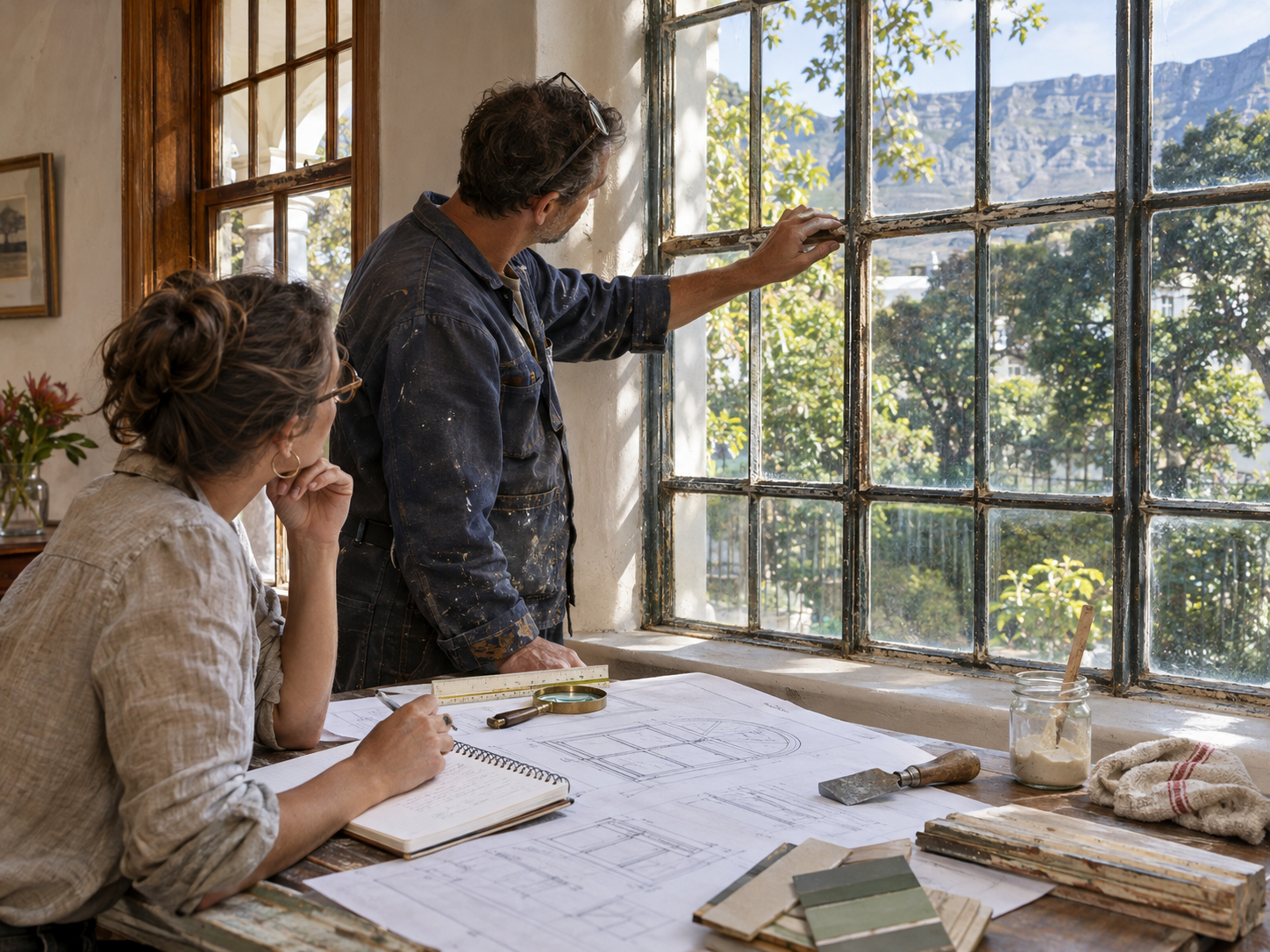
Begin with a careful assessment
Before anyone removes a sash, cuts out putty or orders new glass, record what is there. Photograph the elevations, note which windows are original and mark the openings that are difficult to operate. Look for corrosion at the sill, corners and drainage points, but also check whether the frame is still square and whether the surrounding masonry is moving.
On a heritage project, the small details matter. Original handles, stays, catches and fasteners may be repairable even when they look tired. The pattern of the glazing bars can also tell you whether a later replacement has already changed the character of the building.
Decide what should be retained
A repair-first approach does not mean keeping every component at any cost. It means making the decision in the right order. Sound steel sections can often be cleaned, locally repaired, primed and repainted. Failed putty can be renewed. Stiff hinges and catches can be serviced or replaced with sympathetic hardware.
Our earlier guide, Why Heritage Steel Windows Should Be Repaired Before They Are Replaced, explains why surface rust and old paint are not, by themselves, a reason to discard an original window. The condition of the frame, the cause of the failure and the performance required from the opening all need to be considered together.
Review the glass as part of the window
Glass is not an afterthought. A cracked pane, loose putty or an uncomfortable solar load may point to a glazing decision rather than a complete window replacement. Depending on the opening, the brief may call for laminated safety glass, a carefully selected insulating unit or secondary glazing that improves comfort while leaving the original outer frame in place.
Changing the glass can also change the weight carried by the hinges and stays. That is why the frame and hardware should be checked before a new pane is specified. Our guide to choosing glass for steel windows covers the balance between safety, comfort, acoustics and heritage character.
Plan the work around the building
Good refurbishment planning includes the practical side of the job. Can the team work from inside, or will access equipment be needed? How will furniture, flooring and finished joinery be protected? Where will removed glass and old coatings be handled? If the window sits in a sensitive room, the sequence of work can matter as much as the materials.
It is also worth agreeing the finish before work starts. A heritage colour, a low-sheen coating and carefully tooled putty can make a repaired window feel settled in the building. The aim is not to make an old opening look artificially new; it is to return it to a sound, usable condition without losing the evidence of its age.
Know when replacement is justified
Sometimes a frame is too distorted, too thin or too extensively corroded to repair responsibly. A replacement may also be needed where safety, weather-tightness or the building’s new use demands performance the original opening cannot provide. Even then, the replacement should respond to the proportions, sightlines and rhythm of the existing window.
For a new opening or a part of the building where a contemporary system is more appropriate, compare the options honestly. D&G Window Solutions makes made-to-measure steel windows, doors and shopfronts, as well as aluminium windows and doors. The right material depends on the building, the design intent, the exposure and the performance brief—not on a generic rule.
Ask for a clear scope
A useful refurbishment quotation should tell you more than a total. It should explain which frames will be repaired, what happens to the glass, how hardware will be treated, what preparation and coatings are included, and what making-good is expected around the opening. If access or protection is likely to affect the work, that should be visible in the scope too.
If you are planning a project, send D&G Window Solutions the suburb, photographs, approximate opening sizes and any drawings you have through the quotation request page. A short conversation about the building and the windows usually helps establish whether the next step is a repair assessment, a measured replacement or a broader refurbishment plan.
The best plan is specific to the building
Heritage refurbishment is not a race to remove every old component. It is a process of understanding what still has value, improving what can be improved and replacing only what has genuinely reached the end of its useful life.
When the plan is built around the actual opening, an original steel window can remain part of the building’s story while working better for the people who use the room today.
Next in the series: How to Specify Steel Windows for Coastal Exposure.