Assess and expose
Failed putty, glass and loose coatings are removed where required so the condition of the original steel can be established.
Steel & Metal Window Refurbishment & Mechanical Servicing
A true restoration goes beyond surface painting: failed steel or metal window frames, corrosion, glazing, fittings and moving components are assessed as one system.
Repair before replacement
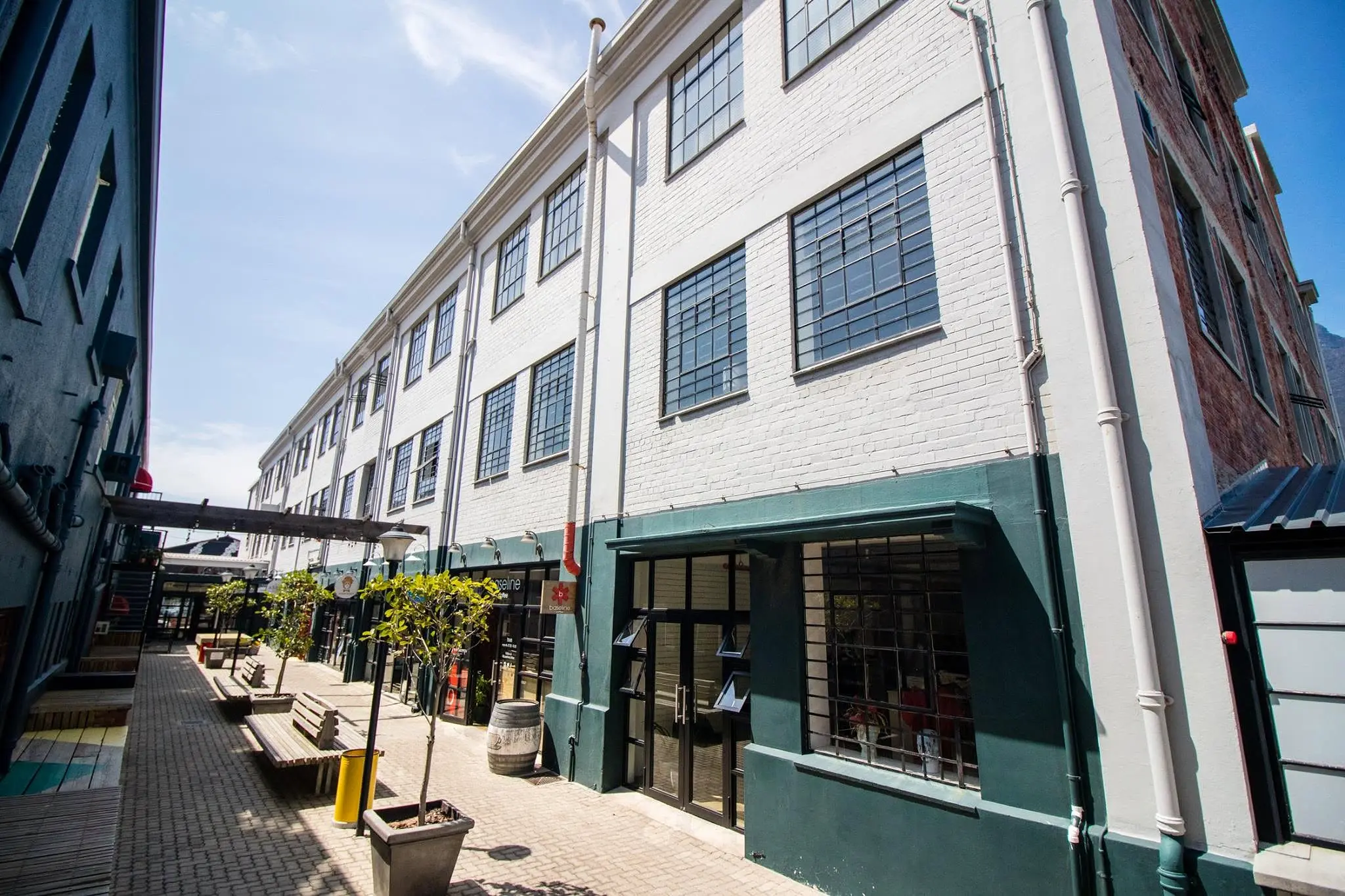
Where an original steel or metal window remains technically recoverable, DGWS repairs the material and returns opening sections to reliable operation while preserving the building’s established proportions.
Residential, heritage, commercial and large industrial steel and metal-window systems.
The restoration sequence
Painting over rust or seized mechanisms does not restore a window. The material, movement and glazing must be addressed before the finish is treated as complete.
Failed putty, glass and loose coatings are removed where required so the condition of the original steel can be established.
Rusted sections are cut out and welded where necessary; hinges, handles, stays and opening mechanisms are repaired, replaced or serviced.
Corrosion treatment, primer, final coatings, glazing and operational checks complete the restoration scope as specified.
Restoration portfolio
Fire-damaged heritage metal windows, a large industrial rectification programme and 73 original windows restored in place.
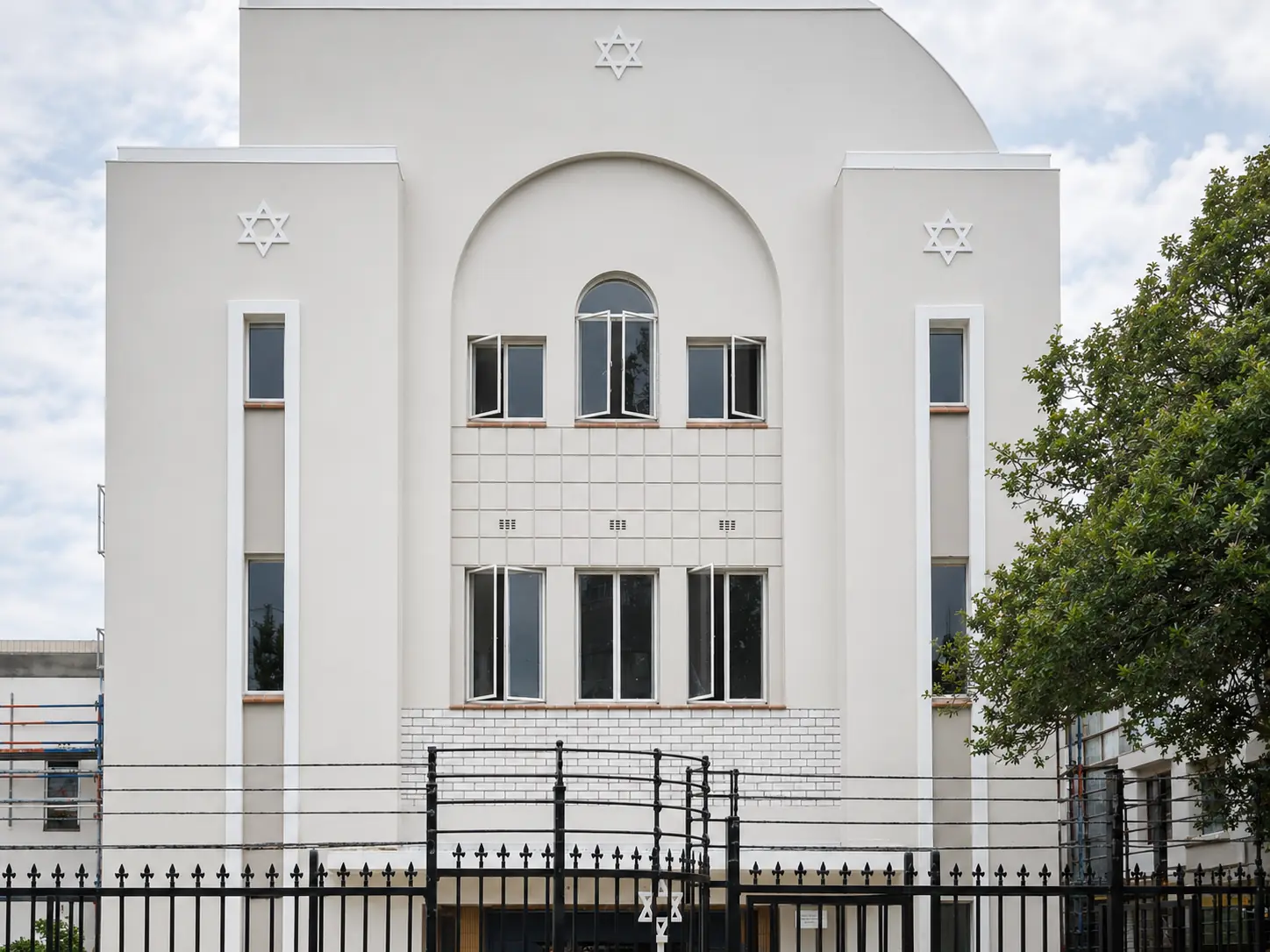
Forty fire-damaged steel windows restored in place and reglazed with laminated and stained glass.
View project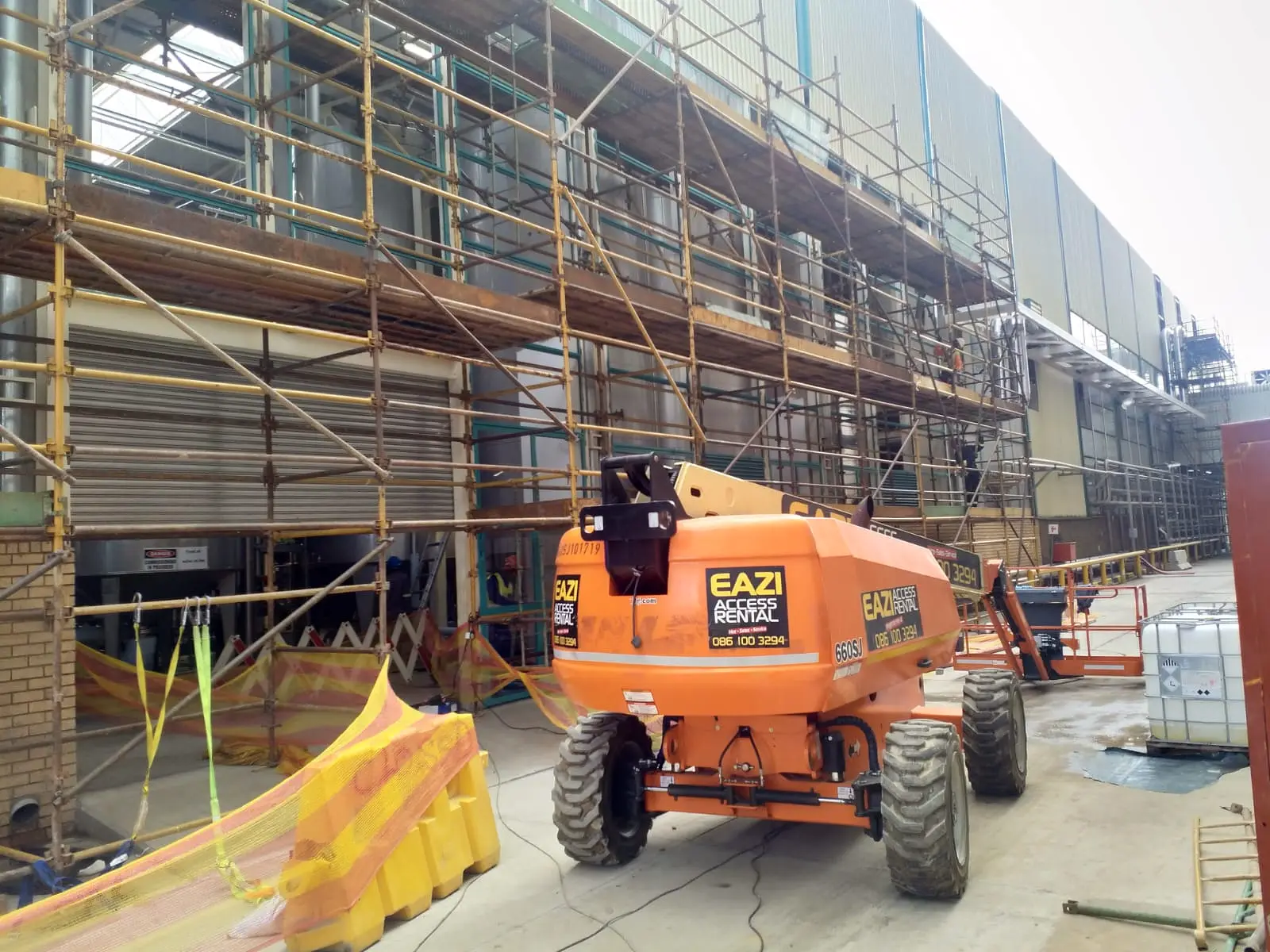
310 m² of industrial steel windows straightened, realigned, serviced and refinished.
View projectSeventy-three original steel windows repaired and serviced in place, retaining the original glass.
View projectBefore you replace
Often, yes. The deciding factor is the condition of the remaining frame and surrounding structure. DGWS assesses this before recommending repair or replacement.
Many projects can be completed in place, including welded repairs and mechanical servicing. Access, glass condition and the repair scope determine the method.
Yes. Hinges, handles, stays and other fittings can be cleaned, serviced, repaired or replaced, and the frames can be reglazed where required.
Planning your project
The extent of corrosion and section loss, number of opening sashes, condition of fittings, glazing requirements, surface preparation and access all affect the work. A stuck sash and a frame with rusted-through sections require different interventions. Photographs help with the initial assessment; the exposed condition determines the repair scope.
Assess the frame, joints, opening sections, fittings and glazing together. Where the steel remains recoverable, damaged sections and components can be repaired while retaining the original proportions. Extensive loss or distortion may change the practical repair options; the condition assessment should come before a decision.
Fresh paint does not repair weakened steel, loose glazing or seized mechanisms. A refurbishment scope should identify corrosion removal and treatment, any welded repairs, mechanical servicing, glazing work and the final coating system.
Record the original profiles, divisions, opening operation, fittings and glass before the scope is finalised. Agree which materials will be retained, protected, removed or reinstated and work to the project specification. Beit Midrash Morasha and Mason’s Press provide examples of in-place restoration shown in the portfolio above.
Working with original windows? Read the heritage restoration guide →
Start with the opening
Send clear photographs, approximate sizes and the project location. We’ll identify the most practical next step.
Request a quotation